Cameron Brink Signs Modeling: A Practical Guide for Experienced Hobbyists
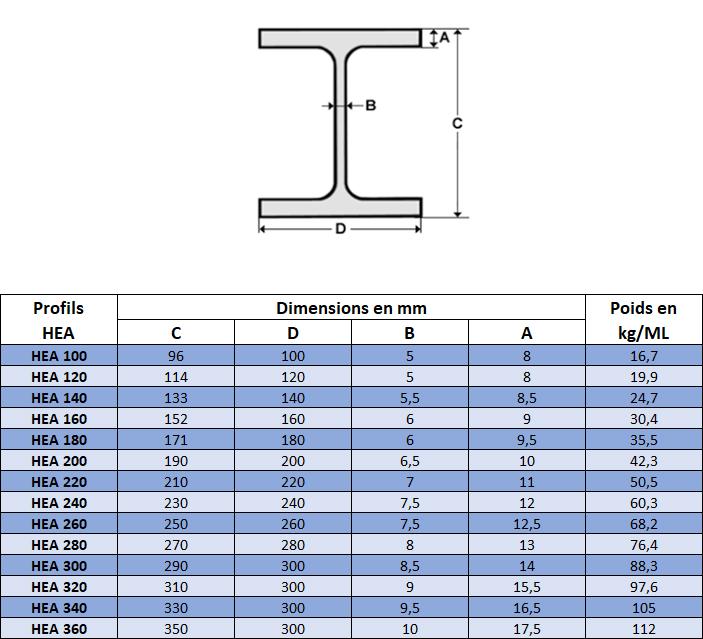
Cameron Brink signs modeling is a niche but growing field that blends traditional signmaking with modern design techniques. For experienced hobbyists, mastering this craft means balancing precision, creativity, and material science. The HEA 160 ACMV steel profile, for example, is a common choice for structural integrity in custom sign frames, offering durability and adaptability for intricate designs.
Why Cameron Brink Signs Modeling Appeals to Experienced Hobbyists
Experienced hobbyists in sign modeling appreciate the challenge of Cameron Brink’s work, which often involves unconventional materials and techniques. Unlike mass-produced signs, Brink’s pieces require hands-on craftsmanship, from metal bending to paint application. This hands-on approach keeps the craft engaging and rewarding for those who enjoy the tactile aspects of signmaking.
Another draw is the versatility of Cameron Brink’s designs. His work spans commercial, artistic, and functional signs, allowing hobbyists to explore different styles without strict limitations. Whether working with steel, wood, or composite materials, the process of transforming raw materials into a finished piece is deeply satisfying.
Key Techniques in Cameron Brink Signs Modeling
Mastering Cameron Brink signs modeling involves several key techniques. One is the use of structural profiles like the HEA 160 ACMV, which provides stability for large, intricate designs. This steel profile, often 12 meters long, is cut and shaped to fit specific dimensions, ensuring the sign’s frame can support heavy elements like backlit panels or layered textures.
Another technique is the integration of unconventional materials. Brink often combines steel with other mediums, such as acrylic or fabric, to create dynamic textures and effects. This requires careful planning and execution, as each material has unique properties that must be accounted for in the design process.
Practical Considerations for Hobbyists
For hobbyists looking to replicate or experiment with Cameron Brink signs modeling, a few practical considerations are essential. First, ensure you have access to the right tools—precision saws, grinders, and welding equipment are non-negotiable. Second, material selection is critical. Steel profiles like HEA 160 ACMV are durable but require proper handling to avoid warping or cracking.
Finally, patience is key. Brink’s work often involves multiple layers of finishing, from sanding to sealing, each step refining the final appearance. Hobbyists should budget time for iterative adjustments and be prepared to refine their techniques over several projects.
Conclusion
Cameron Brink signs modeling offers a unique blend of artistry and engineering, making it an appealing pursuit for experienced hobbyists. By focusing on structural integrity, material experimentation, and meticulous craftsmanship, hobbyists can create signs that are both visually striking and technically sound. Whether working with steel profiles or unconventional materials, the process of transforming raw materials into a finished piece is deeply rewarding.