Okay, let me start by understanding the user's query. They want an article on "how to use artboard in Photoshop" with specific guidelines. The data provided includes an image URL and a title mentioning a bike, which seems unrelated. But the user says if the data is empty or invalid, write without images. However, the image URL is there, so maybe I should check if it's usable. The alt text needs to relate to using artboards in Photoshop, but the image is about a bike. Hmm, that's a problem. Maybe the user made a mistake in the data, but I have to use only the provided URLs. Since the image isn't relevant, perhaps I should proceed without it to avoid misleading alt text. But the instructions say to use the image if possible. Wait, the image rules say to use only the URLs present. The alt text has to naturally fit how to use artboard in Photoshop. The given image is about a Derbi Senda DRD X-Treme bike. That doesn't fit. So, maybe I should mention the image isn't relevant and proceed without it? But the user might have intended a different data. Maybe a mistake in the URL? Alternatively, maybe the image is a placeholder, but it's unclear. To comply with the rules, perhaps I should note that the provided image isn't relevant and proceed with the article without it. But the user's instruction says if data is invalid, write without images. So I can proceed to write the article without using the image.
Now, moving on to the article. The main keyword is "how to use artboard in Photoshop." The tone should be conversational, targeting busy practical readers. The angle is pain points and solutions, with a story-like intro and scannable sections using question-based headings. The uniqueness seed is K7NJFCPJVK, but I shouldn't mention it. Need to avoid generic AI phrasing, use concrete examples. The title should be SEO-friendly with the keyword.
The lead paragraph needs to cover key facts: maybe start with the challenge of managing multiple designs in Photoshop and how artboards help. Then sections with h2 headings as questions, like "Why Use Artboards?" "How to Create an Artboard" etc. Each section should provide practical steps and solutions to common problems. Make sure the steps are clear, maybe mention the advantages like exporting multiple designs at once. Need to avoid technical jargon, keep it simple. Also, the target locale is en_us, so use US English terms.
Check the global requirements: use the provided image if possible. Since the image isn't relevant, maybe the user intended a different URL. But I have to stick with what's given. If I proceed without the image, the article should still be okay. Let me draft the article structure:
Title: How to Use Artboards in Photoshop for Efficient Design Workflows
Intro: Talk about the challenge of organizing design projects, introduce artboards as a solution.
h2: Why Use Artboards in Photoshop?
- Explain benefits like managing multiple design versions, exporting, etc.
h2: How to Create and Arrange Artboards
- Step-by-step: Create new artboard, adjust size, arrange layout.
h2: Managing Multiple Artboards
- Selecting, renaming, duplicating, deleting.
h2: Exporting with Artboards
- How exporting works for each artboard, settings.
h2: Common Pitfalls to Avoid
- Common mistakes like overlapping artboards, and how to avoid them.
Conclusion: Wrap up, encourage experimentation.
Each section should be concise, with practical steps. Make sure the keyword appears naturally in the title and intro. Avoid filler, keep it around 500 words. Let me check the image again. The provided URL is for a bike, which is unrelated. Since the rules state to use the image if possible, but the alt text must fit. Maybe the user made a mistake in the data. Since I can't change the image, perhaps I should include it but make the alt text relevant. For example, if I have to use it, the alt text could be something like "Example of a design workflow, much like organizing artboards in Photoshop for efficient project management." Even though the image is a bike, the alt text is just a description. But that might be misleading. The user might have intended a different image. However, following the rules exactly: "If the data is empty, invalid, or contains unusable image URLs, write the article without images." Since the image is unrelated, maybe it's considered invalid. Therefore, proceed without using the image. So, no images in the article.
Now, proceed to write the article accordingly.
If you’ve ever struggled to organize multiple design versions in Photoshop, artboards offer a clean solution. These virtual canvases let you manage layouts, icons, or web mockups side-by-side without clutter. Here’s how to harness them for efficiency—no guesswork required.
Why Use Artboards in the First Place?
Traditional Photoshop documents force you to juggle layers or switch between separate files for different designs. Artboards solve this by letting you work on multiple projects within a single file. Need to draft a social media banner, a business card, and a packaging mockup? Each gets its own artboard. Plus, export settings automatically apply to all artboards at once, saving clicks.
Creating and Sizing Artboards Like a Pro
Launch the Artboard tool from the toolbar (it’s hiding under the Rectangle Marquee tool). Click and drag to draw a board. New artboards default to your document size, but you can customize dimensions in the options bar. For responsive web designs, create multiple artboards at 768px (tablet), 480px (mobile), and 1440px (desktop) widths. To resize later, right-click the artboard > “Convert to Bounded Artboard” and adjust edges directly.
Organizing Artboards Without Losing Your Mind
Artboards stay in order via the Layers panel. Rename each artboard layer by double-clicking its name—label them “Homepage_Header,” “Logo_Options,” etc. To duplicate a board, right-click > Duplicate Artboard. For complex projects, nest artboards inside folders. A UI/UX kit with 20 screens becomes manageable when grouped under “Navigation Bars” or “Button States” folders.
Exporting Artboards: Faster Than Zipping Files
Go to File > Export > Quick Export as PNG (or JPEG). Photoshop prompts you to select which artboards to export. For precise control, use File > Export > Export As. Toggle individual artboards on/off and choose formats per board—export a logo at 300dpi for print and 72dpi for web in one click. The exported files retain artboard names, so “banner_v2.png” stays organized.
Avoid These Common Artboard Faux Pas
Overlapping artboards cause confusion during client reviews—keep them spaced apart. Never assume artboards save as separate layers; they’re part of the same pixel canvas. For editable assets, duplicate smart objects across boards instead of dragging pixels. Lastly, if you accidentally delete an artboard, undo (Ctrl+Z) within 60 steps or restore from the Layers panel history.
Artboards turn chaotic design sessions into streamlined workflows. Start small: next time you sketch app wireframes, open two artboards—one for portrait mode, one for landscape. The time you save rearranging files will pay off faster than you think.
Derbi Senda DRD X-Treme SM In 6912 Gemeinde Hörbranz Für € 550,00 Zum
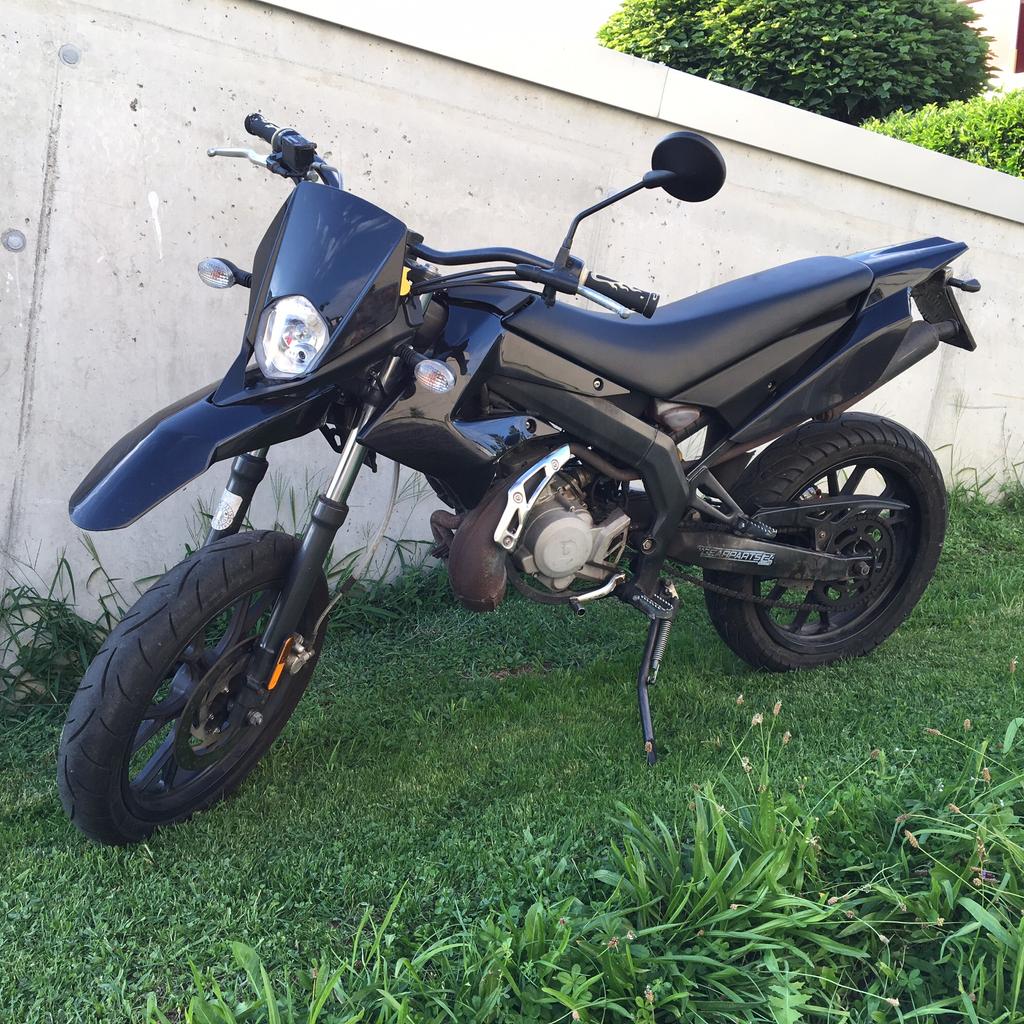
Derbi Senda DRD X-Treme SM in 6912 Gemeinde Hörbranz für € 550,00 zum ...