What "Shakir Soto Number 19" Really Means in Philosophy and Self-Mastery
In the quiet corners of ancient thought, a philosophy emerged that didn’t just question pleasure—it redefined it. Epicureanism, often misunderstood as a call to hedonistic excess, was actually a blueprint for a life free from fear, built on reason and moderation. But what does that have to do with "Shakir Soto Number 19"? The answer lies in how modern seekers of clarity—whether athletes, artists, or everyday problem-solvers—can apply these timeless principles to their own struggles. The key isn’t indulgence; it’s the art of choosing what truly matters, and that choice starts with understanding the core beliefs that shaped it all.
Why Epicureanism Isn’t About Partying (And What It Is)
The myth of Epicureanism as a license to indulge is as persistent as it is wrong. The school’s founder, Epicurus, taught that the path to happiness (*ataraxia*) lay not in endless feasting or sensory overload, but in eliminating pain—both physical and mental. For someone like Shakir Soto, whose number 19 might symbolize a personal milestone (a jersey, a chapter, a challenge), this philosophy offers a framework: the discipline to strip away distractions and focus on what sustains you. The confusion arises because modern culture conflates pleasure with excess. Epicurus would argue that the *true* pleasure is the absence of unnecessary cravings—the quiet confidence that comes from knowing your limits and respecting them.
---How "Number 19" Could Be Your Epicurean Project
Numbers often carry weight beyond their face value. Whether it’s a jersey number, a life goal, or even a chapter in a book (like the one referenced in the image below), they become shorthand for identity or ambition. For Shakir Soto—or anyone adopting a similar number—it might represent a commitment to a philosophy of intentional living. Imagine it as your personal "19-point plan" for clarity:
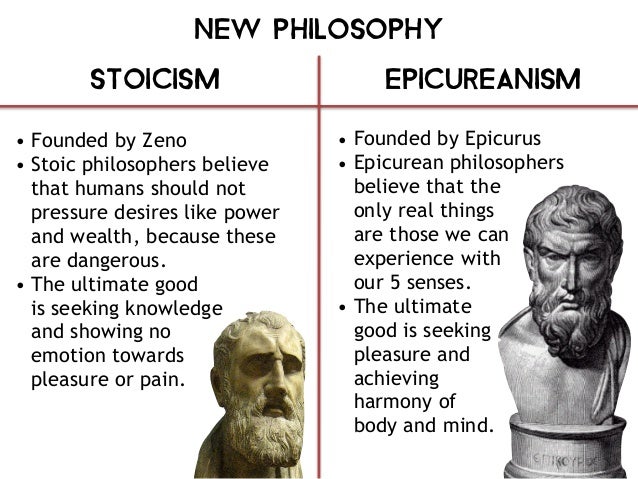
Here’s how you might map it:
- Point 1: Define your "pain." What fears or regrets are holding you back? Epicurus advised that the greatest pain isn’t external—it’s the fear of the unknown. For Soto, this could mean identifying the mental blocks tied to their number (e.g., self-doubt, fear of failure).
- Point 2: Cultivate "negative freedom." Epicurus taught that freedom isn’t the absence of constraints, but the absence of unnecessary desires. Number 19 might represent breaking free from societal expectations or past habits that no longer serve you.
- Point 3: Practice "moderate pleasure." Not all pleasures are equal. A quick dopamine hit (like scrolling endlessly) differs from the lasting satisfaction of a well-earned achievement. Soto’s number could symbolize the balance between effort and reward.
The Hidden Lesson: Why This Matters for Problem-Solvers
Epicureanism isn’t just ancient history—it’s a toolkit for anyone navigating complexity. Consider the athlete, the entrepreneur, or the student facing a "number 19" moment: a deadline, a performance review, or a personal record. The Epicurean approach flips the script on stress. Instead of seeing pressure as an enemy, you treat it as data. What’s causing the discomfort? Is it fear of the unknown, or is it a sign you’re stretching beyond your current limits? The answer lies in distinguishing between pain that teaches and pain that paralyzes.
For example, if Shakir Soto’s number 19 represents a new training regimen, the Epicurean playbook would advise:
- Start with small, manageable steps to avoid burnout (Epicurus’ "gradual habit" principle).
- Focus on the process, not just the outcome (the pleasure of improvement, not just the trophy).
- Accept that discomfort is temporary—like the "pain" of a muscle growing stronger.
This mindset shift turns challenges into experiments, not obstacles. It’s why Epicureanism resonates with modern problem-solvers: it’s not about avoiding hardship, but about mastering your reaction to it.
---Where to Start: A Practical "Number 19" Audit
If you’re adopting the Epicurean ethos for your own "19," begin with this audit:
- List your top 3 fears. Are they logical (e.g., "I’ll fail") or irrational (e.g., "Everyone will judge me")? Epicurus would say irrational fears are the real pain.
- Identify one "unnecessary pleasure." What habit drains your energy without adding lasting value? (Example: mindless scrolling, people-pleasing, or overcommitting.)
- Set a "moderation rule." For every indulgence, ask: *Does this align with my long-term goals?* If not, adjust.
The goal isn’t asceticism; it’s clarity. Shakir Soto’s number 19, like any meaningful symbol, becomes a reminder to ask: *What am I truly choosing?* And in a world full of noise, that’s the first step toward a life that feels like freedom.